If you’re wondering whether AI is a total lifesaver or a one-way ticket to losing your brand’s personality, you aren’t alone. In 2026, the real trick isn’t just “using” ChatGPT. It’s knowing how to let it handle the heavy lifting while you keep your hands firmly on the steering wheel.
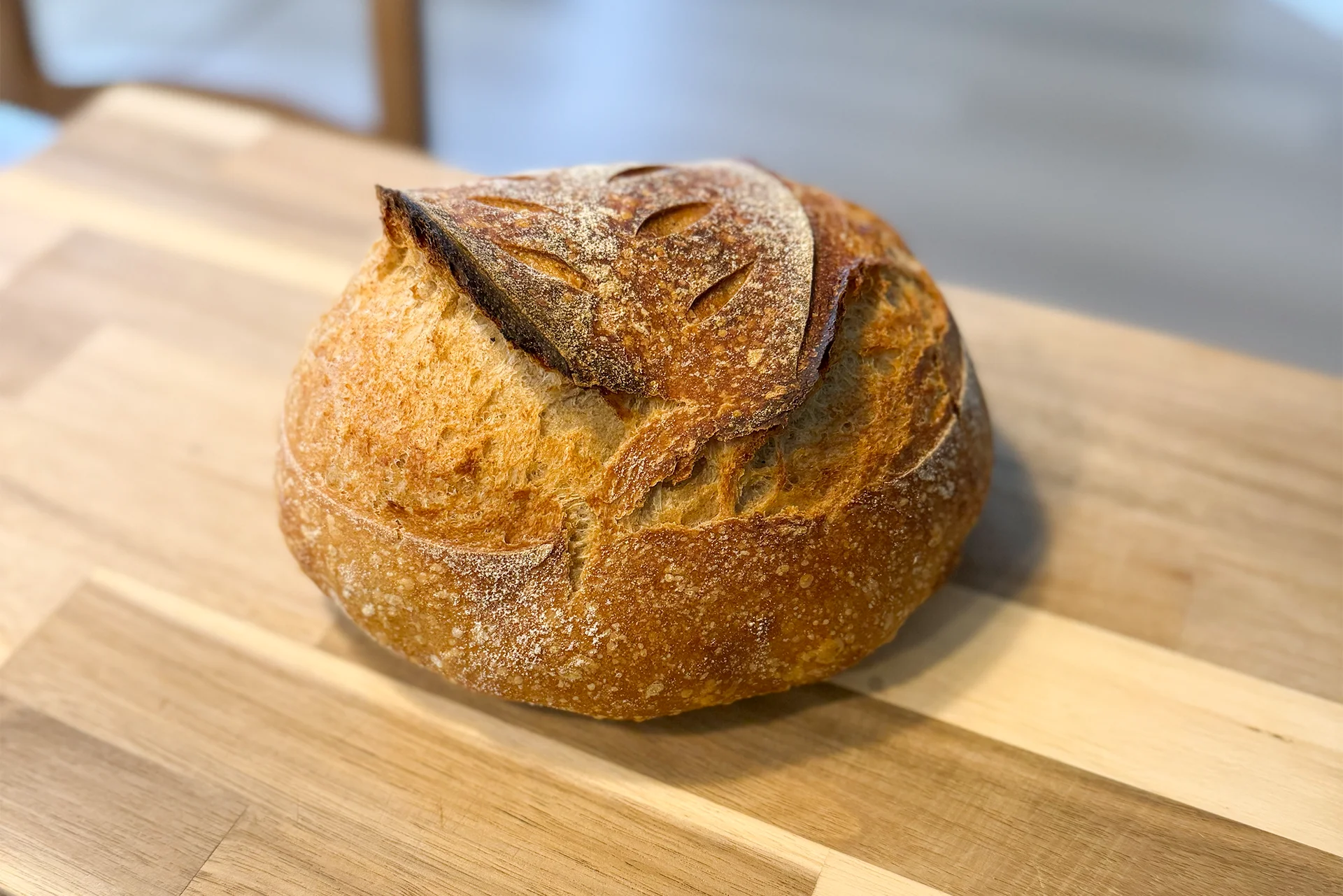
I started using AI for my business pretty early, but honestly, my obsession began in the kitchen. After completely botching my first sourdough loaf, I turned to ChatGPT. I uploaded my recipe and sent a photo of my tragic, unbaked dough. Within seconds, ChatGPT broke down exactly what went wrong and how to adjust my recipe.
And by golly, it actually worked (and yes… it was delicious! 😋)
AI is wild. Tasks that used to take hours of Googling or troubleshooting can now be solved in seconds. It’s great for brainstorming ideas, organizing scattered thoughts, tidying up your processes, and so much more. For a small business owner juggling a million things, it can feel like a breath of fresh air!
But if I’m being honest, the more I use it, the more I wonder:
“Am I relying on this a little… too much?”
There’s no question that using ChatGPT as a small business owner saves time, makes life easier, and helps you think more clearly. But if you let it run the whole show, you might notice that convenience starts to replace the things that make your business feel… human.
So how do you get all the benefits of AI without losing the heart and soul of your business? Let’s break down how you should (and shouldn’t) be using ChatGPT in 2026.
Can Small Businesses Ignore AI in 2026?
We’ve all seen those posts from business owners who swear they’ll never use AI. And while that might sound noble, in 2026, it’s actually a pretty risky move—especially if you run an ecommerce brand.
Avoiding AI doesn’t actually protect your business’s integrity. In fact, it could be quietly costing you sales.
According to Adobe’s AI Traffic Report (January 2026), referrals to retail sites from AI-powered sources increased by 693% during the 2025 holiday season. Not only did traffic from AI increase, but it converted 31% better than non-AI traffic, nearly doubling from the previous year.
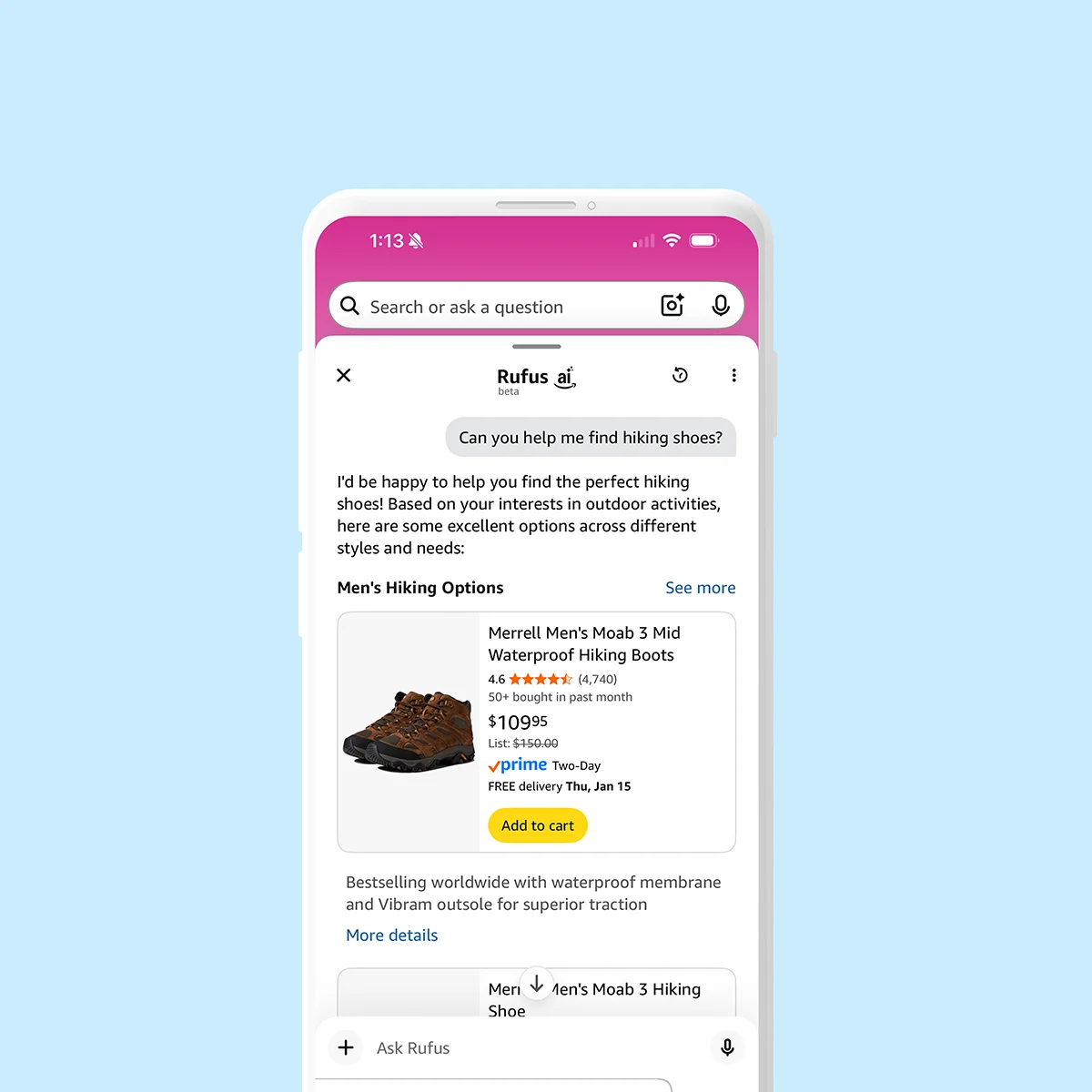
But what started as a trend is quickly becoming the new normal.
In early 2026, Google introduced the Universal Commerce Protocol (UCP), a system that allows AI to directly understand and communicate with online stores.
Can Small Businesses Use AI Shopping Features Too?
Absolutely! Because UCP was co-developed with platforms like Shopify and Etsy, big and small retailers are using AI tools to help their customers answer questions, recommend products, and even complete purchases!
Simply put, AI is helping send better buyers to the businesses willing to use these tools.
Hearing all this, you might be tempted to be like Carrie Underwood and let “AI take the wheel.” But don’t hand over the keys just yet! Instead of thinking of ChatGPT as the boss, treat it more as your digital sidekick (I like to call mine “Chad”… please tell me I’m not the only one who does this 🤪). When you let Chad handle the tasks that eat up your time and energy, you get to focus on the work that really needs your judgment, your taste, and that one-of-a-kind human touch.
How Small Businesses Should Use ChatGPT
☺︎ Streamline Content Creation
If writing emails, product descriptions, social posts, or blog articles feels like a constant uphill climb, AI can dramatically speed things up. It’s great at getting you past a blank page, drafting a first version, or giving you a few fresh takes on the same idea. Just remember: you’ll always want to come in and make it your own. AI is just there to help you get started, so content doesn’t become a bottleneck.
☺︎ Auditing for SEO & AEO
While this post is all about ChatGPT, I’ve actually found Gemini to be even more helpful for SEO tasks. Since it’s built right into Google, it tends to think like the search engine itself. Gemini is especially handy for reviewing your product pages to make sure your key details are clear, complete, and easy for AI to understand. It can also help tidy up your descriptions so they answer common customer questions quickly, which helps with both SEO and how AI tools summarize your products.
💡 NOTE: AI tools don’t have access to live search data, so they’re not ideal for true keyword research. That still requires dedicated tools and human judgment.
☺︎ Automate Operations & Read Data
Not every task in your business needs your full attention or energy. AI can be a lifesaver for summarizing long notes, organizing customer feedback, cleaning up internal docs, or making sense of basic data. For ecommerce brands, this might look like asking AI to summarize product reviews, spot patterns in customer questions, or highlight trends in sales data you don’t have time to dig into. The goal isn’t to replace your decision-making—it’s to clear out the mental clutter so you can make better decisions, faster.
How Small Businesses Shouldn’t Use ChatGPT
☹︎ Blind Copy-Pasting
AI is great at sounding confident, even when it’s wrong or overly vague. If you publish content without double-checking, you might miss subtle inaccuracies, fake sources, or claims that don’t actually fit your business. Even worse, over time, it can make your brand voice feel generic or impersonal. Before you know it, your writing starts to sound like every other business using the same tools and shortcuts. AI should support your voice, not replace it.
💡 Note: For small business owners writing blogs, I highly recommend Grammarly. It can help you check for plagiarism, find proper citations, and even verify facts, making your content stronger and more trustworthy. It can even predict readers’ reactions and help ChatGPT’s writing sound more human!
☹︎ Creating A Logo & Brand Identity
AI-generated logos usually end up looking generic, don’t scale well, and miss any real intention. They fall apart when you resize them, don’t work across print and digital, and blend in with thousands of other brands using the same tools. Honestly, most of them look like fancy clip art or something you’d scroll right past on Instagram.
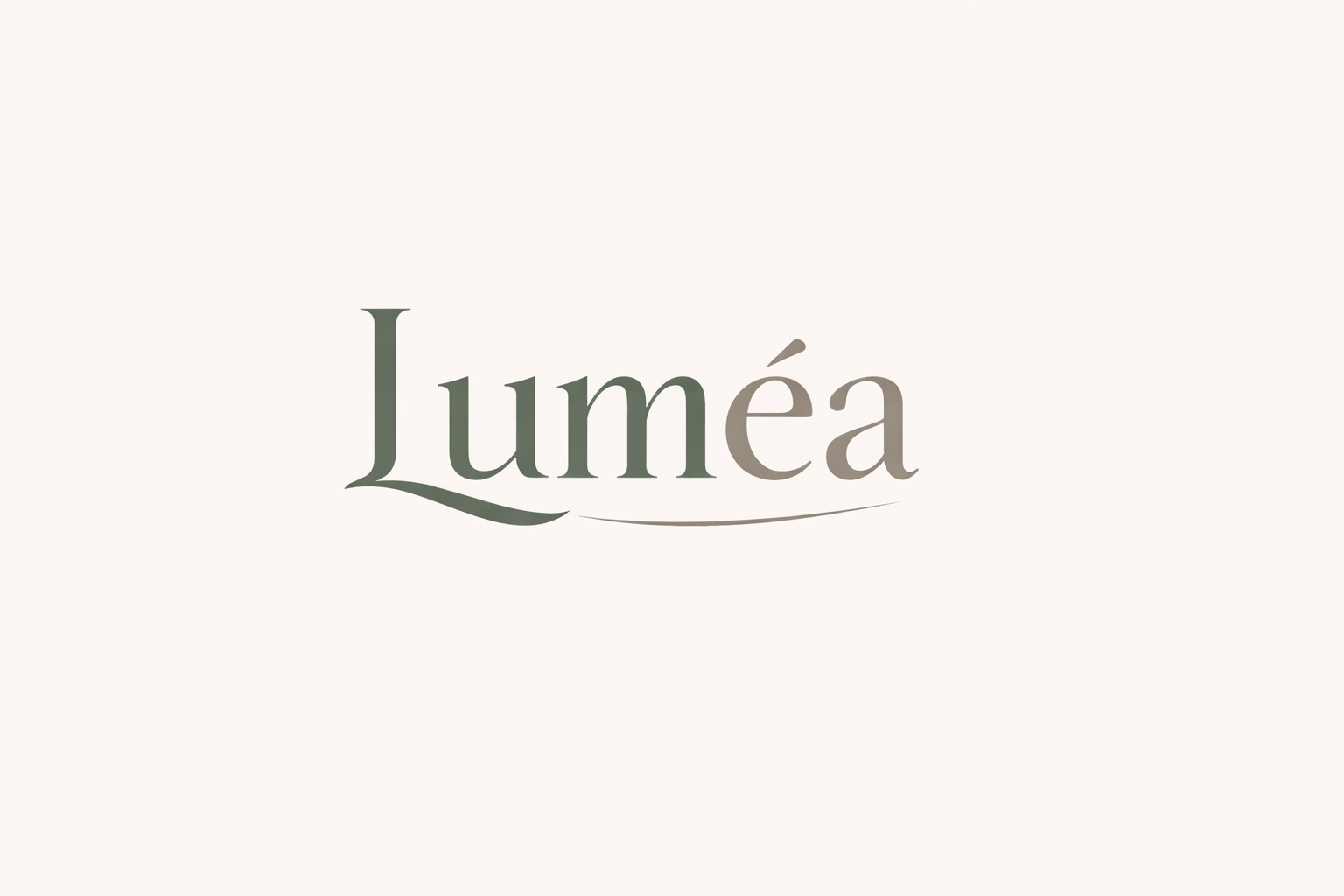
To test this, I asked “Chad” to create a logo for a pretend high-end skincare brand called Luméa. As a designer, I could immediately see the flaws, but I wanted to see if ChatGPT itself could explain why the logo was failing. I asked one simple follow-up: “Tell me why I shouldn’t use this.”
Chad’s response was surprisingly direct. It admitted that the logo:
- Has no differentiation.
It looks like hundreds of other “clean” skincare brands, which means Luméa wouldn’t stand out at all in a crowded market. - Would break in the real world.
The logo wasn’t created in a format that can scale cleanly, so it will look blurry or awkward when resized for packaging like bottles, boxes, or narrow labels. - Undercuts premium pricing.
The logo doesn’t signal confidence, quality, or authority. Instead, it quietly communicates “unfinished,” which makes it much harder to justify a $68 serum.
“Nothing about this logo is uniquely skincare or uniquely Luméa. You can’t build long-term brand equity on something this generic.”
— chatgpt
You can view the full “Honest AI” critique here →
💡 DON’T MISS THIS: Did you know that businesses with a fully AI-generated logo don’t actually own them? According to OGC Solutions, the U.S. Copyright Office has stated that work generated entirely by AI through prompts is not eligible for copyright protection.
So if your logo was created entirely by AI, you might not have any legal protection if another business decides to use it too. 😬
☹︎ Developing A Brand Strategy
Imagine your business as a pickle jar. You and your team are the pickles inside, and your brand is the label on the outside. Since you’re inside the jar, you can’t read the label or see how the rest of the world views your jar on the shelf. It might seem like AI could help with this, but it can’t. It just looks at thousands of other pickle jars and tells you what the standard labels are doing. What you’ll end up with is a generic, safe, middle-of-the-road strategy that may not actually help you in the end. To read your own label and accomplish your unique goals, you need an outside perspective. And not just any perspective—a human one.
💡 Did I get you curious? You can read what brand strategy is and why it matters here →
☹︎ Prompting Things You Don’t Understand
Trying to prompt a complex branding strategy, messaging, or website without understanding the basics is like being a conductor for an orchestra when you don’t know how to read music. You can wave your hands around with a lot of energy, but you’re not actually leading—you’re just making noise.
If you don’t know what makes a brand attract an audience, what makes a website easy to use, or what words actually get people to take action, how will you know if AI is giving you a masterpiece… or a mess? If you don’t know the fundamentals, you can’t judge the output.
My Thoughts on Using ChatGPT as a Small Business
Using ChatGPT as a small business owner isn’t about replacing your creativity, your instincts, or your personal connection with customers. It’s about making more space for them. When you let “Chad” handle the repetitive or time-consuming things, you free up more time and headspace for the work only you can do: building relationships, growing your vision, and shaping the parts of your business that matter most.
ChatGPT is a tool, not a shortcut. The businesses that will thrive in 2026 are the ones who use it thoughtfully while staying true to their own voice and values. Don’t be afraid to experiment, but don’t hand over the keys! 🔑
Stay curious, lean in, and watch how AI can support your growth this year.
Looking for more ways to level up your business in 2026?
Check out Brittany’s post, “The 7 Best Business Tools for Small Business Owners,” for her favorite budget-friendly picks that actually deliver results. These tools are perfect if you’re looking to save time (and maybe a little money, too).

Emma Hubanks
Emma Hubanks is the Memphis-based founder and strategist behind Luma Liz, a boutique web design studio turning overlooked websites into unforgettable online experiences. With 12+ years of experience in design and a deep love for high-level strategy, she helps service providers clarify their message and build websites that finally work as hard as they do.


Get more blogs about branding, marketing, and small business delivered directly to your inbox.
We’re the boutique agency specializing in branding and web design that you’ve been looking for. Let’s chat.
Contact Us Today